

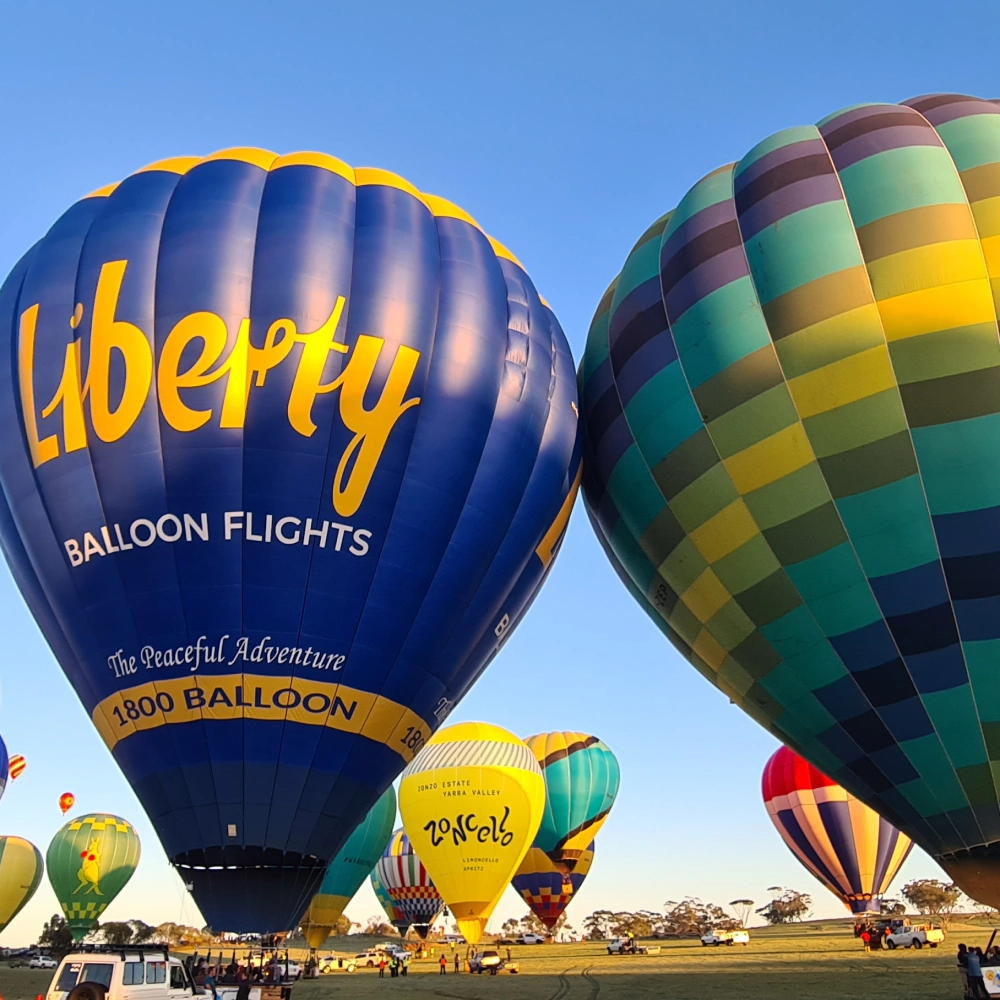
How Is a Hot Air Balloon Made? Inside the Craft of Modern Ballooning
From Fabric to Flight: The Making of a Hot Air Balloon
There’s something beautifully simple about a hot air balloon drifting across the sky — but behind that simplicity is a carefully engineered design, built with precision, safety, and decades of innovation.
Whether you’ve seen balloons floating over the Yarra Valley or Avon Valley at sunrise, or you’re simply curious about how they work, understanding how a hot air balloon is made adds a whole new layer of appreciation to the experience.
The Three Main Parts of a Hot Air Balloon
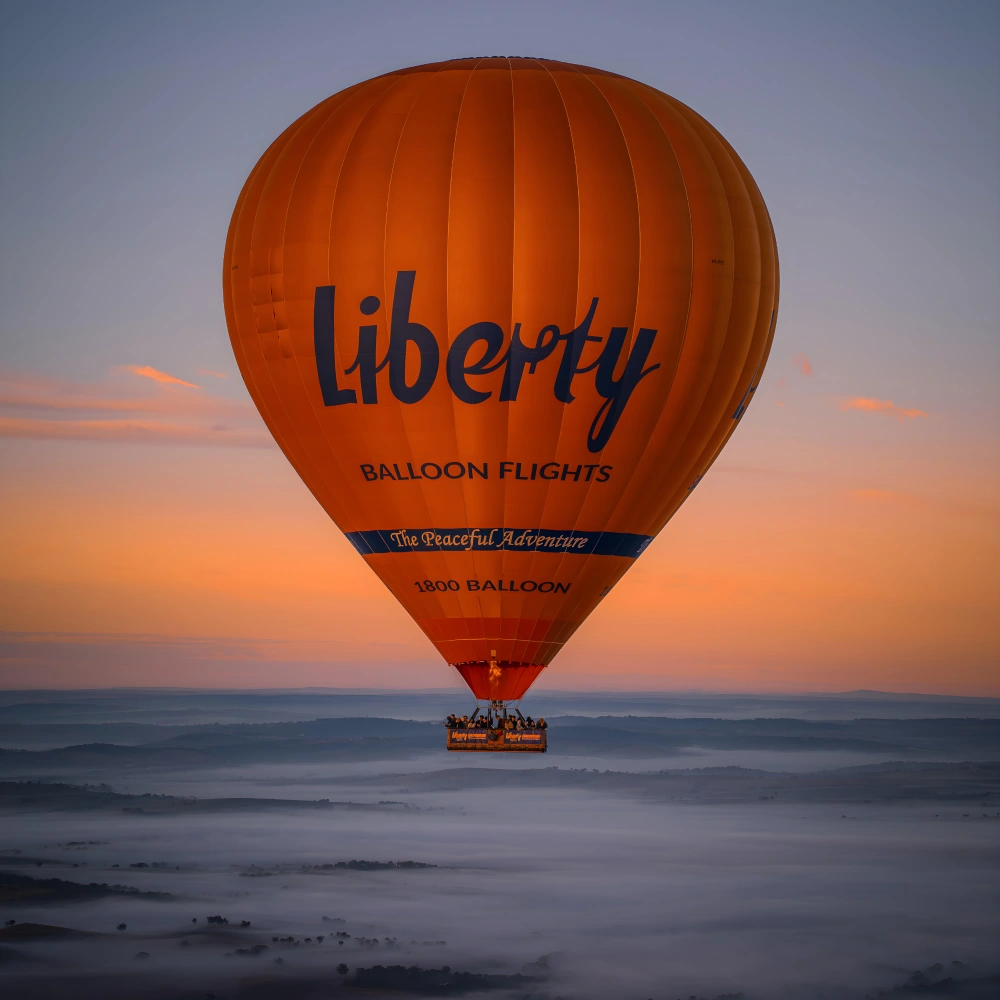
Every hot air balloon is made up of three essential components:
- The Envelope (the balloon itself)
- The Burner System (which heats the air)
- The Basket (where passengers and the pilot stand)
Each part is carefully designed and tested to ensure a safe and smooth flight.
The Envelope: Lightweight Strength
The envelope is the large, colourful balloon that captures heated air.
How it’s made:
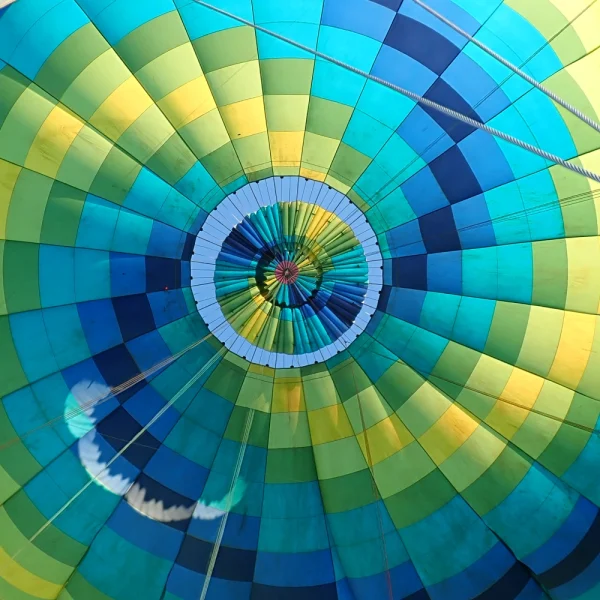
- Constructed from ripstop nylon or polyester, chosen for its strength and light weight
- Panels (called gores) are cut into long curved shapes
- These panels are stitched together to form the full balloon
- Reinforced stitching and load tapes distribute weight evenly
The fabric must be heat-resistant, tear-resistant, and lightweight enough to lift easily.
The top of the envelope can reach temperatures of over 100°C, so durability is critical.
The Burner System: Powering the Flight
At the heart of every balloon is the burner — the component that makes it rise.
How it’s made:
- Built from stainless steel and high-grade metal components
- Connected to propane fuel tanks stored in the basket
- Designed to produce controlled, powerful flames
When the pilot activates the burner, it heats the air inside the envelope. As the air warms, it becomes less dense and lifts the balloon.
Modern systems include redundant safety valves, precise control mechanisms, and efficient flame output.
The Basket: Built for Safety and Comfort
The basket (or gondola) is where passengers stand during flight.
How it’s made:
- Traditionally woven from wicker (rattan or cane)
- Reinforced with a strong internal frame
- Designed to absorb impact on landing
Wicker is used because it’s flexible, durable, and excellent at absorbing shock.
Inside the basket, you’ll find fuel tanks, pilot controls, and safety equipment.
How It All Comes Together
Once each component is built, the balloon is assembled and tested.
Before flight:
- The envelope is laid out flat on the ground
- Cold air is blown in using large fans
- The burner is ignited to heat the air
- The balloon gradually rises upright
- Final safety checks are completed before takeoff
It’s a process that blends craftsmanship with precision — and it’s part of the magic passengers often get to witness firsthand.
How Were Hot Air Balloons Made in the Past?
The first hot air balloons in 1783 were very different from today’s designs.
- Made from paper and fabric materials
- Used open flames fueled by burning straw and wool
While effective, these early balloons were far less reliable and much harder to control.
Modern ballooning has transformed that early invention into one of the safest forms of aviation.
Built for Safety, Designed for Experience
Every certified hot air balloon must meet strict aviation safety standards. Materials, construction methods, and maintenance routines are all carefully regulated.
At Liberty Balloon Flights, safety is at the core of every operation — from the design of the equipment to the experience delivered on the day.
But beyond safety, balloons are also designed for something less tangible: experience.
The open basket, the quiet drift, and the panoramic views aren’t just features — they’re what make ballooning so unforgettable.
From Workshop to Sky
It’s easy to look up at a hot air balloon and see only colour and movement — but behind it is a remarkable combination of engineering and artistry.
From hand-stitched panels to precision burners and carefully crafted baskets, every balloon is built with one purpose: to help people experience the world from a completely different perspective.
Final Thoughts
So, how are hot air balloons made?
Through a blend of lightweight materials, skilled craftsmanship, and thoughtful engineering — all working together to create one of the most peaceful forms of flight ever invented.
And while the technology has evolved, the feeling remains the same as it did in 1783: quiet, weightless… like nothing else.
If you’re ready to see the finished product in action, you can experience a hot air balloon flight across Victoria or Western Australia with Liberty Balloon Flights:


Start to plan your next flight
Have questions for booking? Enquire Now Or call us 1800 BALLOON (22 55 66)




Get on our list.
This site is protected by reCAPTCHA and the Google Privacy Policy and Terms of Service apply.